Oud — also called agarwood or oud al attar — is the resinous heartwood of the Aquilaria tree, infected by a specific mould and transformed over years or decades into one of the most complex natural materials in existence. It is the most expensive fragrance ingredient by weight, the foundation of an entire perfumery tradition spanning the Middle East, South and Southeast Asia, and East Asia, and increasingly the defining material of high-end Western niche perfumery.
What Oud Actually Is
The Aquilaria tree, native to Southeast Asia, India, and parts of the Middle East, produces a dark, resinous heartwood only under specific conditions: when the tree is infected by a particular mould (Phialophora parasitica and related species), it responds by producing resin as a defensive mechanism. This resin impregnates the wood over time. Uninfected Aquilaria wood is pale, light, and essentially odourless. Infected wood — oud — is dark, dense, and has a complex smell unlike anything else in nature.
The Cost of Natural Oud
Natural oud is among the most expensive materials on earth by weight. The rarity of naturally infected trees, the decades required to produce high-grade material, and the labour-intensive distillation process all contribute to prices that can exceed those of gold. The highest quality oud — vintage material from specific wild trees in Cambodia, India, or Laos — trades in small quantities at extraordinary prices. This rarity explains why natural oud is used in extremely small quantities even in fragrances that claim it, and why most mass-market oud fragrances use synthetics entirely.
Natural vs Synthetic Oud
Synthetic oud molecules — most commonly Agarwood and related aroma chemicals — capture specific facets of natural oud's character without the cost or supply limitation. They are not inferior by default: a well-deployed synthetic oud molecule can deliver the woody, slightly smoky, and resinous character associated with the material at a fraction of the cost, and with more predictable consistency. What synthetic oud typically cannot replicate is the animalic, leathery, fermenting depth of truly fine natural oud — the quality that makes veteran oud enthusiasts willing to pay premium prices.
Regional Styles: Middle Eastern vs Western Oud
The way oud is used in fragrance differs significantly by tradition. Middle Eastern oud perfumery tends to use oud as the centrepiece — dense, assertive, often animalic and challenging to those unfamiliar with the material. The compositions are built around the oud rather than around oud as one element among many. Western and niche interpretations of oud typically use it to add woody depth, smokiness, and luxury to a more conventional structure: the oud is present, but so are florals, ambers, musks, and other materials that soften and contextualise it. If you are new to oud, a Western oud-inspired composition is almost always the better entry point.
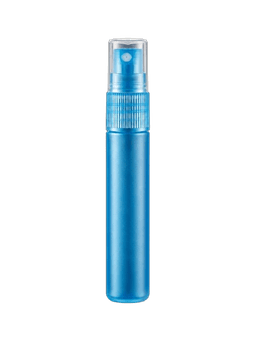
Elite Collection
Oud Mood Inspired
Deep sweet oud.
Oud Mood Inspired represents a balanced approach to oud — the dark resinous character of the material is present and recognisable, but integrated into a composition with amber and musk that softens the more challenging animalic facets. It demonstrates what oud smells like in a Western context: luxurious, deep, and intimate rather than raw and confrontational.
Explore →How to Approach Oud for the First Time
Oud can be polarising on a first encounter — particularly natural or heavy synthetic oud with significant animalic character. The smell is unfamiliar to many Western noses trained on clean florals and fresh citrus. The most practical advice is to give it time: oud fragrances evolve considerably on skin over several hours, and the initial impression is often not representative of the dry-down. The wood, warmth, and depth that emerge after an hour are frequently the most compelling part of the composition.
Tip: If you are curious about oud but uncertain, start with an oud-forward composition where the oud is balanced by rose, amber, or vanilla. Rose-oud is one of the most approachable combinations in all of perfumery — the rose softens the animalic quality while the oud adds depth and longevity to what would otherwise be a simple floral.
- Oud = resinous heartwood of the Aquilaria tree, produced only when infected by mould
- Natural oud is one of the most expensive materials by weight in the world
- Synthetic oud is widely used — it captures the woody-resinous character at accessible cost
- Middle Eastern oud: oud-centred, dense, assertive; requires familiarity to appreciate
- Western oud: oud as one element among many — more accessible for new wearers
- Oud fragrances evolve significantly — the dry-down is often the most compelling phase
- Rose-oud is the most approachable entry point for first-time oud wearers
Related Articles
Explore Collections
Continue Learning
Coming Soon
Ask Maison AI
Get personalised fragrance guidance powered by the Maison Knowledge Catalogue.