Of all the senses, smell has the most direct and immediate connection to memory and emotion. A visual or auditory memory passes through the thalamus — the brain's relay station — before reaching the areas responsible for emotion and memory. An olfactory memory does not. It goes directly from the olfactory bulb to the amygdala (emotional processing) and the hippocampus (memory formation). This anatomical shortcut is the reason a smell can trigger a memory faster and more completely than any other sense.
The Anatomy of the Connection
When you inhale a scent, odour molecules bind to receptor cells in the olfactory epithelium — a small patch of tissue high inside your nasal cavity. These cells send signals directly to the olfactory bulb, which then connects to the amygdala and hippocampus without any cortical processing in between. The result is that smell bypasses the rational brain almost entirely. It hits emotion and memory first. You feel the response before you have time to intellectually identify the smell.
The Proustian Effect
Marcel Proust described the phenomenon most famously in his account of a madeleine dipped in tea triggering a complete and involuntary recall of his childhood. The neurological mechanism behind this is now well understood. Because olfactory signals bypass the cortex and route directly to memory structures, a smell associated with a specific time and place can trigger a complete retrieval of that moment — complete with the emotions, the sensory context, and the atmospheric quality of the memory. This involuntary, complete recall is the Proustian effect.
First Encounters and Imprinting
The first time you encounter a smell under emotionally significant conditions creates a particularly strong olfactory memory. Neurologically, this is called imprinting: the association between a smell and the emotional context in which it was first encountered becomes embedded with unusual permanence. This explains why a perfume worn by a parent, a first romantic partner, or a significant memory can trigger that association for decades. It also explains why first impressions of a fragrance are so emotionally loaded — your brain is forming a template it will apply every time you encounter that smell again.
How Signature Scents Build Meaning Over Time
When you wear the same fragrance consistently over months and years, you are not just building a personal style — you are building a memory archive. Every significant occasion you wear the fragrance contributes a layer of association: confidence, warmth, the feeling of a particular evening or relationship or achievement. This cumulative memory deposit is why long-worn signature fragrances feel so emotionally resonant. The fragrance has absorbed the meaning of the experiences you wore it during.
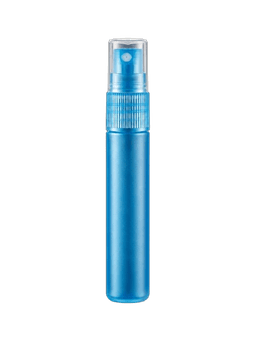
Skye Collection
Aventus Inspired
Powerful, ambitious and unforgettable — the definitive masculine statement.
Aventus Inspired is one of the most commonly cited signature fragrances for exactly this reason — its distinctive, confident character creates strong initial impressions and builds memorable associations over time. The specific combination of pineapple, birch, and musk creates an olfactory fingerprint that wearers and those around them reliably recognise and remember.
Explore →Creating Intentional Scent Memories
Understanding the olfactory-memory system allows you to use fragrance deliberately as a memory anchor. Wearing a specific fragrance on significant occasions — important events, milestones, travels, new relationships — creates intentional associations that persist and deepen. The fragrance becomes a portable archive of those experiences. Many people who understand this choose one fragrance per life chapter: not to wear it every day, but to wear it on days worth remembering.
Tip: If you want a fragrance to carry genuine emotional resonance, wear it during moments that matter rather than saving it for special occasions where the pressure to enjoy it may work against you. The memory is created by the experience, not by the intention to create a memory.
- Smell bypasses the thalamus — it hits emotion and memory before rational thought
- Olfactory signals go directly to the amygdala and hippocampus — no cortical relay
- The Proustian effect: a smell can trigger complete, involuntary memories from any point in life
- First encounters imprint strongly — the emotional context of the first smell becomes the template
- Signature scents accumulate layers of meaning from every significant occasion worn
- Use fragrance deliberately as a memory anchor — wear it during experiences worth remembering
Related Articles
Explore Collections
Continue Learning
Coming Soon
Ask Maison AI
Get personalised fragrance guidance powered by the Maison Knowledge Catalogue.