Vanilla and amber are the two most frequently used base note materials in contemporary perfumery. They appear — separately or together — in the base of an enormous proportion of the fragrances worn worldwide. Understanding exactly what each is, where it comes from, and what it does in a composition changes how you read any fragrance that features them.
Natural Vanilla vs Vanillin
Natural vanilla absolute is extracted from the cured pods of Vanilla planifolia — primarily from Madagascar, Tahiti, and Indonesia. It is one of the most expensive natural fragrance materials, with a complex, slightly waxy, dark, and slightly smoky character that pure vanillin cannot replicate. Synthetic vanillin — derived from lignin or guaiacol — smells cleaner, sweeter, and more precisely vanilla-like. Both are widely used; many compositions layer natural vanilla and synthetic vanillin to capture the complexity of the first with the precision of the second.
Tonka Bean — Vanilla's Addictive Relative
Tonka bean, extracted from the seeds of Dipteryx odorata, contains coumarin — a material that smells of new-mown hay, warm almond, and subtle sweetness. It is not vanilla, but it behaves similarly: warm, enveloping, and deeply addictive. Coumarin is one of the most used materials in perfumery precisely because of its versatility. In a gourmand fragrance it reads as praline or almond. In a woody fragrance it softens and sweetens the wood. In a floral, it adds warmth without adding sweetness.
The Amber Accord — Constructed Warmth
The amber accord is not a natural extract — it is a perfumer's construction. The classic formula combines labdanum absolute (a dark, leathery, slightly animalic resin from the cistus rock rose), benzoin resin (sweet, balsamic, vanilla-like), and often vanilla or coumarin. The result is a warm, enveloping, slightly sweet base that reads as deeply comfortable without being specifically edible. Amber is perhaps the most useful base note material in perfumery because it harmonises almost everything above it.
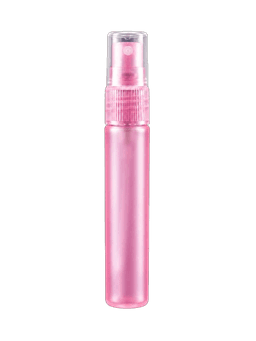
Rose Collection
Baccarat Rouge 540 Inspired
Amberwood, saffron and the impossible paradox — a fragrance that feels simultaneously airy and deeply rich.
Baccarat Rouge 540 Inspired demonstrates vanilla and amber working at their most refined: jasmine and saffron in the opening give way to ambroxan and cedar in the base, with a signature sweetness from the jasmine-cedar accord that reads as warm and intimate rather than sweet. The interaction between the amber base and the floral heart is what gives the fragrance its reputation for distinctiveness.
Explore →Tip: If a fragrance that opens coolly or citrus-forward becomes warm and intimate on your skin after an hour, it almost certainly contains vanilla, amber, or both in the base. The dry-down — not the opening — reveals the base note foundation.
- Natural vanilla absolute: complex, waxy, dark — one of the most expensive natural materials
- Synthetic vanillin: clean, sweet, precise — used in most commercial vanilla-forward fragrances
- Tonka bean: coumarin-rich, warm almond, hay-like — vanilla-adjacent but distinct
- Amber accord: constructed from labdanum + benzoin + vanilla — not a single ingredient
- Both materials are heavy molecules — they evaporate slowly and create lasting warmth
- Fragrance dry-down = the base note story — this is where vanilla and amber speak
Related Articles
Explore Collections
Continue Learning
Coming Soon
Ask Maison AI
Get personalised fragrance guidance powered by the Maison Knowledge Catalogue.